
Content
Moreover, RWA Inc. also focuses on delivering value and sustaining momentum. For this purpose, it has unveiled staking programs along with a buyback and burn project. The staking programs permit $RWA holders to get competitive yearly percentage yields while obtaining priority trade chances, exclusive rewards, and other benefits that the ecosystem provides. Furthermore, the buyback what is rwa in crypto and burn endeavor will witness the allocation of 50% of the gains on the platform.
- You can tokenize a piece of real estate, physical artwork or commodities on blockchain and enjoy a new perspective on investment with RWA tokens.
- Fiat money and treasury bills typically fall under electronic money token EMT/stablecoin regulations, while assets like property and cash flow face differing types of regulation (i.e. property law in various jurisdictions).
- As the platform’s utility token, PCHAIN offers investors early access to the future of the $600 trillion real estate market.
- With a short-term focus on startup utility tokens for our go-to-market strategy, our primary emphasis is on strategically expanding into startup equity tokens, real estate, collectibles, and other asset classes via registered security tokens.
- BlockAudit, a top blockchain security firm worldwide, has audited the project’s smart contract and found no vulnerability.
Chintai’s Fractional RWA Platform
Get started today with Token Tool to launch your own RWA token in minutes. Of course, this means that there is a lot of trust placed in the Circle/Coinbase team. And there are AML Risk Assessments a lot of legal hurdles the teams must jump through since they are not decentralized.
Funding to Drive Next-Gen AI Agent Solutions for Crypto Trading and Investing
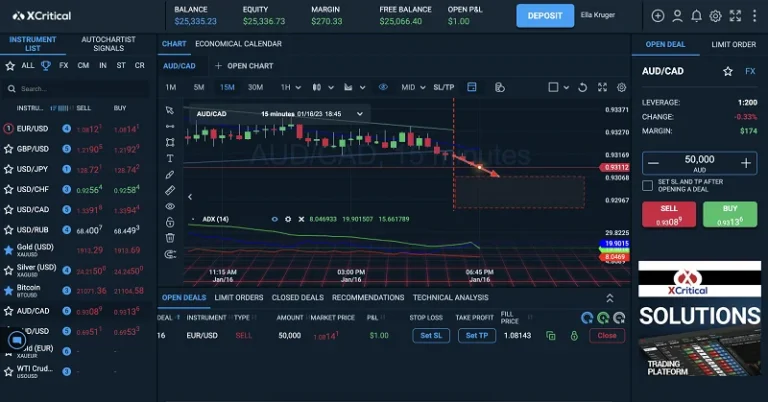
Next, it’s important to verify the ownership of the selected asset, ensuring it is properly registered, licensed and compliant with the legal requirements and regulations. As a rule, this is handled by auditors, lawyers, notaries and other professionals with the relevant expertise. It is a blockchain-based platform that tracks food across the supply https://www.xcritical.com/ chain, enhancing visibility and food safety. These limitations can hinder the efficiency and accessibility of investing in and managing RWAs.
Notable real world asset (RWA) tokens
PropiChain uses artificial intelligence (AI), the Metaverse, RWA tokenization, and smart contracts to revolutionize global real estate. With advanced AI integration, PropiChain provides predictive market analysis, enabling investors to anticipate trends and seize future opportunities. At its core, the platform entirely operates on its own one-stop regulated, licensed and fully compliant L1 permissioned Antelope blockchain for RWA tokenization, trading and custody.
Finally, with RWA tokenization becoming more mature and widespread, governments and local authorities will adopt regulatory and legislation background for these digital projects. As a result, in the upcoming two to three years, we’re likely to witness a notable breakthrough in tokenization solutions for real-world assets. By tokenizing the ownership of particular artwork prints, these can be offered for sale and, once redeemed – the physical piece can be delivered to the given address.
These contracts can trigger payments, reorder supplies, and update inventory automatically when predefined conditions are met. This reduces administrative overhead, speeds up operations, and improves coordination among suppliers, manufacturers, and retailers, leading to a more resilient and responsive supply chain. A legal framework is established to ensure that digital tokens represent a valid claim to the underlying RWA and the specific token rights are determined. Real World Asset Tokenization is now experiencing explosive growth despite the fact it has actually been in development for the past five years and has been “rebranded” several times along the way. Here is a brief timeline of some of the key events in the history of the RWA market (which is also called the Security Toke Offering (STO) market) and the digital securities or tokenized securities industry. The predominant structure is where the RWA is placed under the ownership of an entity and the entity is then tokenized and issued through a pooling of funds from multiple investors, giving investors indirect interests in the underlying RWA.
It’s like having a clear, unchangeable record of who owns what, which builds trust. Wallets are the digital key holders of the decentralized era, designed for the Web3 ecosystem. They enable users to securely store, manage, and interact with tokens and decentralized applications (DApps). Contact us today to begin your tokenization journey and bring your assets into the future of finance. PropiChain’s smart contracts simplify property management, automating processes from leasing to secure and direct rent payments from tenants to landlords. This removes the need for third parties like brokers and leasing agents, increasing efficiency and reducing costs while making property management seamless.
Navigating the regulatory landscape is crucial for the success of fractional assets in the Web3 space. By securing necessary trading licenses, we ensure compliance and transparency, positioning ourselves as a unique and reliable player in this emerging field. Our commitment to regulatory adherence underscores the importance we place on creating a secure and trustworthy environment for our clients and investors. In this article, we’ll explain what tokenized RWAs are, how they are created, and how Chainlink is the only platform that can provide a comprehensive solution for fulfilling the requirements of tokenized assets.
United States broker-dealer and ATS licensure is now in place through RWA white label tokenization partnerships with Baird Augustine and Allo.xyz. To maintain compliance with Singapore regulations, Chintai’s blockchain operates smart contracts running within three walled gardens for United States, Singapore and British Virgin Islands (BVI) regulated RWA issuance and trading. The U.S. and Singapore gardens handle assets classified as securities; all other non-security assets are handled by Chintai Nexus in BVI. But this type of structure fails to harness the full power of blockchain technology since it merely replaces traditional forms of records. Another reason why this is a commonly used structure is that most RWA ownership is subject to regulatory registration, posing challenges for RWA token fractionalized ownership and transferability.
Since its founding, RWA Inc has aimed to redefine how investors and businesses interact with real-world assets, by creating a trusted platform that bridges the gap between traditional markets and the Web3 space. Chintai supports varying levels of identity credentials; greater access is enabled as more credentials are provided. Locked liquidity is a cornerstone of trust and stability in the crypto ecosystem.
However, an overwhelming majority of assets are outside of the blockchain ecosystem—yet, they could benefit from the technology’s advantages. This is why tokenized RWAs are key for growing the digital asset industry by orders of magnitude by letting a majority of assets that are currently not in the blockchain ecosystem be used with blockchain rails. With the potential for 50,000x, PCHAIN offers traders the prospect of massive gains and a reliable investment option that can hedge against market volatility.
These players are driving the tokenization of real-world assets like gold, real estate, government bonds, and currencies, bringing greater transparency, accessibility, and liquidity to previously illiquid markets. Much like the internet revolutionized the accessibility of information, tokenization is transforming the financial landscape. Its impact is 1000X more valuable than the internet, eliminating barriers related to cost, time, and distribution/access to financial assets.
The roadmap outlines a bold vision for empowering traders, stakers, and developers with advanced AI technology and governance innovations. In red, regulators in Singapore and BVI receive reporting information, including suspicious trading activity detected by Chintai Sentinal. In purple, liquidity providers can stake CHEX in liquidity and resource pools for yield. And there are different tokenization licensing requirements for each type of RWA.
The most popular RWA crypto projects have different offerings that bridge the gap between the physical world and digital world. Tokenization of tangible real-world assets on the blockchain ensures the creation of digital tokens that are not limited due to various barriers. The foremost benefit of real world assets crypto projects points at the assurance of fractional ownership and access to assets that don’t have inherent liquidity. The top RWA projects such as Maple Finance, RealT, Ethena and Ondo Finance offer distinct value propositions to offer new options for investors. Explore the details of other notable RWA crypto projects and find the right option for you right now.
